

7 Tips for Finding a Job
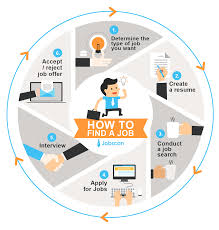
Finding a job can feel overwhelming, especially in a competitive job market where new job postings appear every day and other job seekers are applying just as actively as you are. Whether you’re a recent graduate looking for your first job, making a career change, or searching for your next position, having the right approach can make a big difference.
The good news is that job hunting doesn’t have to feel chaotic. With the right job finding tips, a bit of structure, and a clear focus on your career goals, you can turn your job search into a more productive and even rewarding process.
Here are 7 practical tips to help you find jobs more effectively and move closer to landing your next opportunity.
1. Start with a Clear Job Search Plan
Before diving into online job boards or sending out job applications, take a step back and create a plan. A structured job search helps you stay focused and avoid wasting time on roles that don’t align with your goals.
Think about what kind of job you want. Consider your preferred job title, industry, salary expectations, and the type of company you’d like to work for. Are you targeting entry-level roles, or are you aiming for senior leadership opportunities?
Once you define your target roles, your job hunting becomes more intentional. Instead of applying to every opening you see, you can focus on job opportunities that match your skills and experience.
Setting weekly goals—like applying to a certain number of job openings or reaching out to people in your network—can help you stay consistent and motivated.
2. Use Online Job Boards and Company Websites Effectively
Online job boards are one of the most common tools job seekers use, but many people don’t use them strategically. Instead of browsing endlessly, use filters to narrow down job postings by location, experience level, and keywords from the job description.
This helps you find jobs that are a better match for your background and saves time during your job search.
In addition to job boards, check company websites directly. Many employers post job openings on their own sites before listing them elsewhere. If there’s a specific company you’re interested in, make it a habit to visit their careers page regularly.
Combining both methods increases your chances of discovering more opportunities.
3. Tailor Your Resume and Cover Letter
One of the most important job search tips is to avoid using the same resume and cover letter for every application. Hiring managers can quickly tell when application materials are generic.
Instead, review each job description carefully and adjust your resume to highlight the most relevant skills and experience. Use language that reflects the role, and make sure your qualifications align with what the employer is looking for.
Your cover letter should explain why you’re interested in that specific company and position. This is your chance to show personality and demonstrate how your background fits the role.
Tailored applications not only improve your chances with hiring managers but also help your resume get through applicant tracking systems.
4. Build and Use Your Professional Network
Networking is one of the most effective ways to find jobs, yet many job seekers overlook it. A strong professional network can connect you with job opportunities that may not be publicly advertised.
Start by reaching out to friends, former colleagues, or classmates. Let them know you’re currently job hunting and what type of position you’re looking for. You can also attend job fairs, industry events, or join professional associations related to your field.
Informational interviews are another great way to expand your network. These conversations allow you to learn more about a company or role without the pressure of a formal interview.
Building relationships takes time, but it can lead to more opportunities and valuable insights into your industry.
5. Prepare for the Interview Process
Once you start getting interviews, preparation becomes key. A strong job interview can make all the difference when employers are deciding between candidates.
Begin by researching the company, its culture, and its position in the industry. Understand the role you’re applying for and be ready to discuss how your skills match the job description.
Practice answering common interview questions and think of examples that demonstrate your experience. Pay attention to your body language, maintain eye contact, and communicate clearly.
Dressing professionally and arriving prepared shows hiring managers that you take the opportunity seriously. Confidence and preparation often set candidates apart during the interview process.
6. Stay Organized and Track Your Progress
When you’re applying to multiple jobs, it’s easy to lose track of where you’ve applied or who you’ve spoken with. Staying organized can save you time and help you manage your job search more effectively.
Create a simple system to track your job applications. Include details like the company name, job title, date applied, and any follow-up actions. This makes it easier to prepare for interviews and avoid confusion.
Organization also helps you identify patterns—such as which types of roles you’re hearing back from—and refine your approach over time.
7. Stay Consistent and Keep Improving
Finding a job takes time, and it’s important to stay consistent. Rejection is a normal part of the process, and even strong candidates may not receive an offer right away.
Use each experience as a learning opportunity. If you’re not getting interviews, review your resume and application materials. If interviews aren’t leading to offers, practice your responses and improve your interview skills.
Keep building your skills, expanding your network, and applying for roles that align with your goals. Staying proactive and focused will increase your chances of success.
Putting These Job Search Tips Into Action
The job search process can feel challenging, but having a clear strategy makes it much more manageable. By following these job finding tips—creating a plan, tailoring your applications, networking, and preparing for interviews—you can improve your chances of landing the right job.
Remember, every step you take brings you closer to your next opportunity. Stay focused, stay positive, and keep moving forward.
And if you ever feel stuck, don’t hesitate to reach out for help. Recruiters work with employers every day and can help connect you with opportunities that align with your skills and career goals.
Your next job could be just around the corner.
Career Coaches that help you for FREE
Back