
Tips to Effectively Manage a Multigenerational Workforce
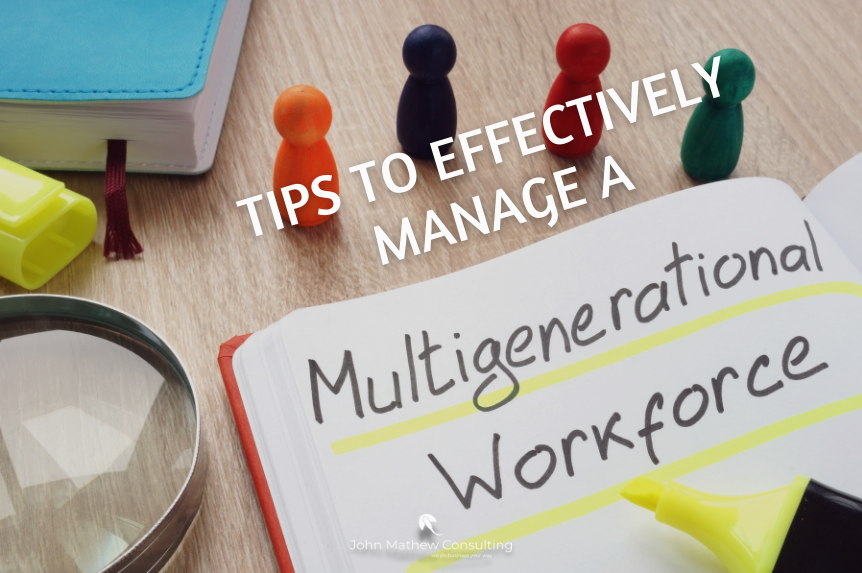
Diversity is a concept often brought about when it comes to improving work environments. Usually, when diversity is brought about, race and gender are the social differentiation that are taken into consideration. However, there is also another aspect of diversity which is age.
Age diversity is another important consideration for inclusivity in the workplace. According to a study by SHRM Foundation, there are many benefits of having mixed age work groups such as increased productivity in both older and younger workers, as well as statistically lower turnover rate. It’s also mentioned that workers who are 55 and older can contribute to lower turnover, as they are loyal workers who typically stay in their jobs longer than younger employees.
While there are a lot of benefits in having a multigenerational workplace, it also brings cultural differences from a generation gap that could potentially bring disagreements, especially in their work style and communication styles. Those differences could possibly cause problems in the daily workflow and cause a disconnect within the team in the long run if left unchecked. In this article, we’re going to give some advice on how to overcome possible challenges that you may experience having a multigenerational workforce.
The Different Generations
Before we go into giving advice for a multigenerational workforce, let’s first establish the key characteristics of each generation.
The Silent Generation
Born between 1928-1945, now aged mid 70s to 80s. While most of them have retired from the workforce, many are still seen as partners, board members, or hold other advisory positions. They value tradition and hard work but are often not adept in the usage of new technologies compared to younger generations.
Baby Boomers
Born between 1946-1964, now aged 55 to early 70s. Though many baby boomers are approaching retirement age, we’re seeing that many choose to remain in the workforce. Like their predecessors, they value hard work but are more self-assured, goal-oriented, and disciplined.
Generation X
Born between 1965-1980, now aged in their 40s and 50s. This generation is often compared to the standout characteristics of the other generations, much like middle child syndrome. As a result, they are more direct, adaptable, and independent.
Millennials
Born between 1980-1995, now aged mid 20s to 30s. They keep most values of the previous generations, but are more tech-savvy. They usually want recognition, validation, and reassurance. This generation is hard working, but struggles from a lack of financial stability and looks for a sense of achievement to perform their best.
Generation Z
Born between 1996-2015, they have just begun to be a part of the workforce and there is not much data on their long term performance. However, Gen Z is known for being the most diverse, open-minded, and tech savvy generation. One of their motivations is self-improvement and having an impact in the organization.
What can you do to manage the team?
1. Create avenues for teamwork
Teamwork is important in a successful organization. Having opportunities for collaboration and can improve the company’s resilience to future possible problems. Collaboration between older and newer generations could also future proof the company’s strategization.
Collaborations are also good opportunities to develop employee engagement, and improve relationships between employees.
2. Provide opportunities for communication
Communication is different for every individual, especially per generation. Although your primary concern should be getting the message across clearly, picking the right channel to reach out to your employees is just as critical.
Since they value visibility in the office, open your doors for any face-to-face discussions with your baby boomer personnel. Meanwhile, utilize your office messaging app to get in touch with your millennial staff for any urgent requests or concerns. Lastly, with Gen X, try a mixture of in-person and virtual lines for a more productive relaying of information.
3. Understand the difference in values and perspectives
“Generational conflict is more likely to arise from errors of attribution and perception than from valid differences.” (Zemke et al, 2000). According to a research paper by Hay Group, 31% of baby boomers still prefer the standard 9-to-5 workday. Millennials, on the other hand, prefer a to-do list daily. 81% of Millennials are more inclined to work anytime and anywhere as long as they get the job done on time. This flexibility also constitutes a required “me time” on the job to avoid burnout culture, to which only 39% of the older generations can relate.
From this document, the older generations are more focused on commitment and appreciate long work hours, compared to the newer generations, which the older generations may deem as lazy, don’t prefer those long hours because they prioritize work life balance.
On another perspective, the younger generations love the idea of constant innovation and a dynamic workplace. For the older generations, they don’t prefer constant change as guaranteeing their retirement is what’s most appealing to them.
4.Take advantage of their varied strengths
Every generation has their own strengths. Some of them were mentioned above such as the tech savviness of the newer generation and the discipline of the older ones. It’s up to the management,regardless of their age, to provide the opportunity to make use of each members’ skills.
5. Offer mentorship and be open to feedback
Every moment in work could be a great learning experience for everyone, not just the employees. Each generation has their own strong points that you could learn or help others learn from. Provide your team with regular feedback to pinpoint where they need improvement and where they’re already excelling. Try having mentorship sessions, where both young workers would have the opportunity to mentor older ones and vice versa.
Need help leading your team forward?
There is a lot to keep in mind when managing a multigenerational team.
“No one generation is right or wrong. We all have a responsibility to understand and work with each other if we are to succeed as a team.”-Nancy Gunter
Become a more impactful leader and provide training to your employees through Gunter Training.
Find the right employees for your team and work with us at John Mathew Consulting and Patrice and Associates for your staffing needs.
Written by Vince Villanueva
Back